It started in a car park.
I was driving slowly through a busy parking lot when I didn't see a man crossing at the pedestrian crossing. Nothing dramatic — I drove past him, caught it in time, waved and mouthed sorry through the windscreen.
And then I checked my rear vision mirror.
He was giving me the fingers.
Both hands. Full commitment. Walking away with this swagger, this arrogance — like he'd won something.
And something in me just... detonated.
Before I even knew what I was doing, I had pulled the car over. Both windows were down. I was sitting on the horn. I was leaning across my ten-year-old son in the passenger seat, swearing my head off out the window at a stranger in a car park.
And then — snap.
I was back in my body. Looking at what I was doing. What I had become in the space of about fifteen seconds.
My son turned to me with these wide eyes and said:
"Whoa, Mum. What are you doing?"
What WAS I doing? Getting out of the car? Confronting him? For what, exactly?
We laugh about it now. Sort of.
But in that moment I sat back in my seat and thought — with complete, cold clarity:
That is not me.
Except it was. It had been for weeks.
The rage that came from nowhere. The tears that arrived without warning. The exhaustion that no amount of sleep could touch. The body that felt like it belonged to someone else — swollen and unpredictable and impossible to reason with.
We had just moved to Papamoa. New town, new schools for the boys. My husband had started commuting to Auckland for work every week, and I was holding everything together at home — or at least making it look that way.
Something in me had quietly snapped.
On the inside, something had quietly snapped long before that car park.
I ended up in a doctor's office not long after, crying through the entire appointment.
Not sad crying. More like something in me had broken and the tears were just leaking out — like a signal in my body had short-circuited and no one had told the rest of me yet.
I was diagnosed with clinical depression.
I tried HRT. I tried antidepressants. (It turns out I may be an antidepressant super-taster — even the tiniest dose felt like I'd mainlined rocket fuel. Brilliant.)
And here's the part that made all of this so deeply, maddeningly confusing:
I already knew so much about this stuff.
I'm a holistic nutritionist. Anatomy, physiology, hormones, metabolic pathways — this is the world I live in. I had already spent thousands on functional testing and detailed supplement protocols because I knew midlife was going to challenge my body.
Right before we moved, I had actually felt incredible. Lost weight, felt confident, genuinely happy in my skin.
None of it stopped what was coming.
And that gap — between everything I knew and everything my body was doing — is what changed the entire direction of my work.
Then I found something that actually worked.
The first time I came across The Body Code, something lit up in me.
Not in a lightning-bolt-from-the-heavens way. More like a quiet electric recognition. Like my brain had been waiting for this particular puzzle and suddenly here were the pieces.
I've always been the kind of person who wants to reverse-engineer symptoms. Why? What's the mechanism? Where's the signal going wrong? So when I started to see how energy, emotions, physiology and metabolism might all be connected — my brain went absolutely feral.
I started working on myself with the Emotion Code and the Body Code.
A lot of abandonment energy came up. Which made sense, looking back — I had been so stressed, so alone, so relentlessly holding things together through that whole transition.
And for the first time in months, I felt real relief.
My husband said to me one evening: "I don't know what you're doing… but you seem different. Keep doing it."
But the moment that changed everything — the one that cracked open what I now do — came with PMDD.
I'd been approaching it the way most people do. Trying to fix the hormones. And then one day it just hit me:
PMDD starts in the brain.
It's not just about hormones. It's about how the brain responds to hormonal fluctuations.
So instead of focusing only on the reproductive system, I started working on the brain glands and neurological patterns energetically.
The shifts were massive.
And that's when the obsession really kicked in.
Because suddenly I could see a bigger possibility.
What if we could go deeper — not just emotionally, but physiologically? What if we could work with metabolic pathways, mitochondria, cellular signalling — but from an energetic perspective? What if we could design something specifically for women in midlife whose bodies are going through the most complex transition of their lives?
So I built something better.
That idea lit me up so completely that I built it.
That became the Metabolic Circuitry Method — MCM.
A framework that maps the body's energy physiology, identifies where protective patterns are stored, and releases them at the root. Combined with the Body Code, the Emotion Code, nutritional science and nervous system work — it's the most comprehensive approach to midlife healing I've ever encountered.
(And yes, I'm aware I created it. I'm allowed to say that.)
There was also another moment — quieter, more personal — that lives at the heart of why I do this work.
I was standing in my wardrobe in my underwear, staring at a woman I genuinely didn't recognise.
I had to be at my son's school play.
And I was considering wearing my husband's trousers.
If you want the full story — the one that became the foundation of the Deep Reset — you can read it here.
But the short version is this: I have been exactly where you are. And I found a way through that changed everything.
This is the work now.
I work with midlife women all over the world — helping them release what their bodies have been holding, restore what's been quietly depleted, and remember what it feels like to be fully, unapologetically alive.
Not the old version of themselves.
Something better. Lighter. Clearer. More free.
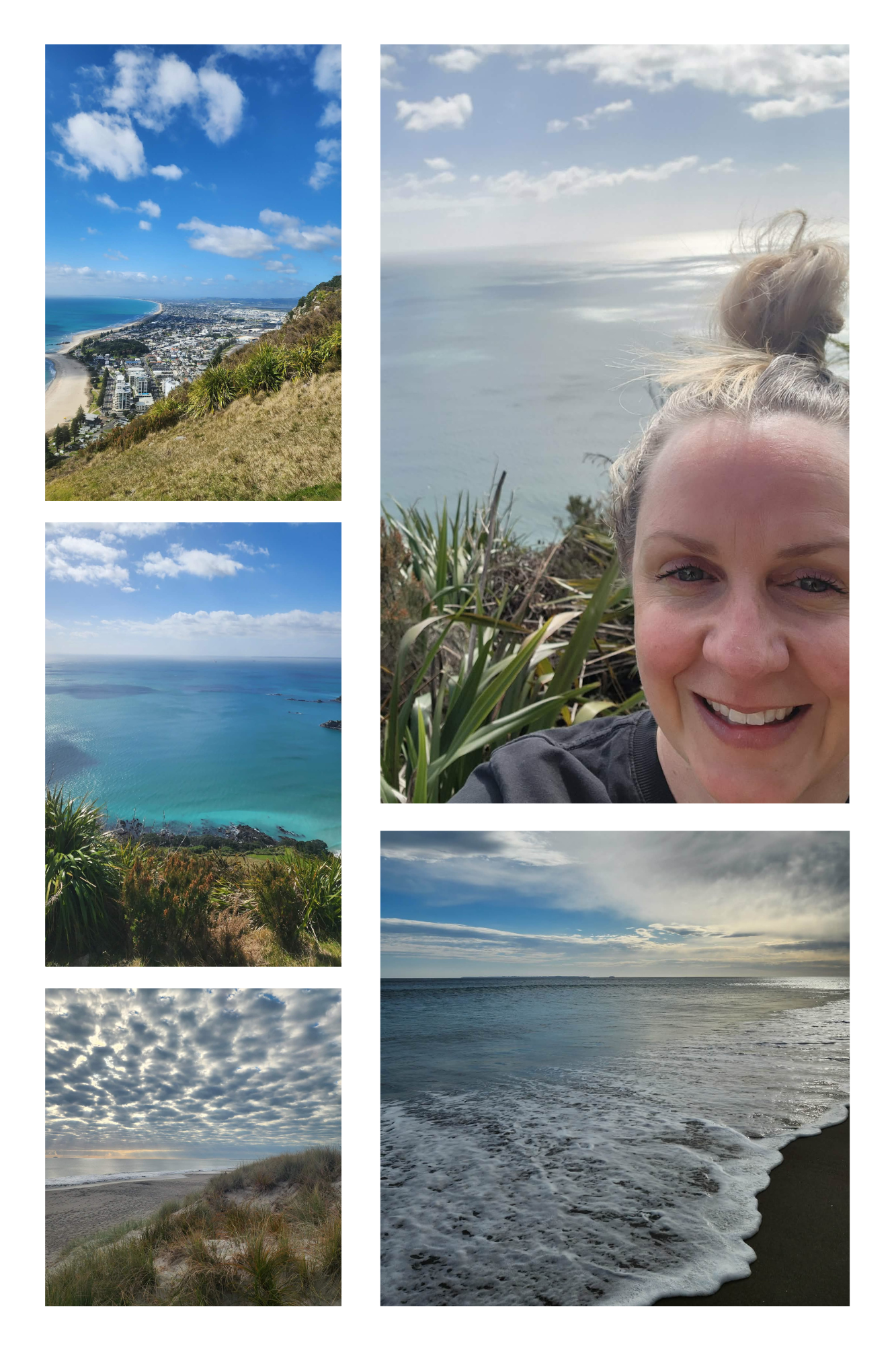
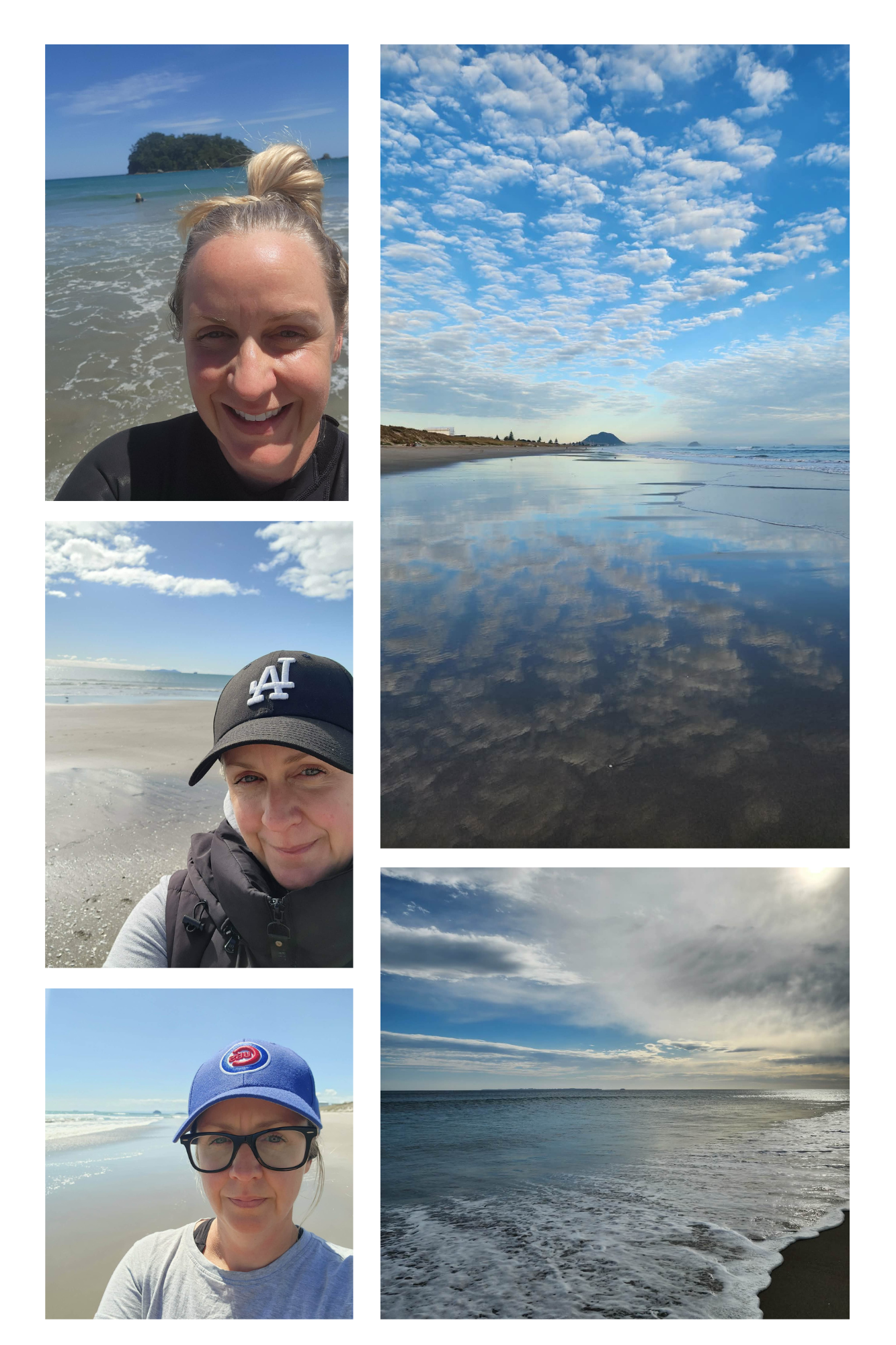
I do most of my sessions barefoot, with a cup of tea, jandals at the door and the ocean close enough to hear. (I live in Tauranga, NZ — which I'm aware is not a bad place to do healing work from.)
I believe healing doesn't have to be hard.
It doesn't have to be clinical or complicated or another thing to push through.
It can be grounded. Personal. Gentle and deep at the same time.
And it can begin with a single session that gives your body the signal it's been waiting for.
If something in this page has recognised itself — that's not an accident.
Your body has been trying to get your attention.
This might be it listening.
75–90 minutes • worldwide via Zoom or remote
Not ready to jump in yet? → Grab the free guide first